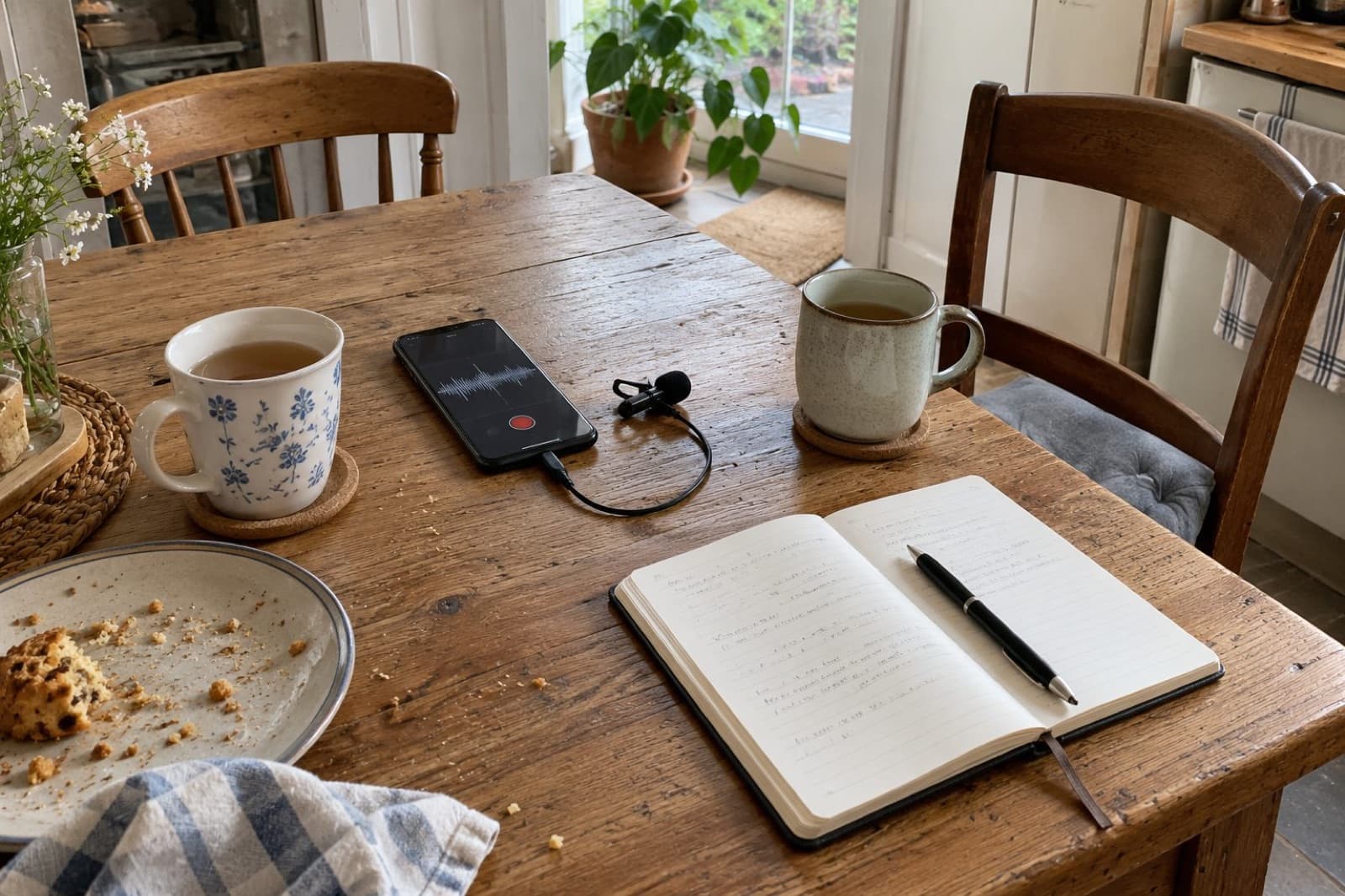
A life story interview is a conversation about the people, places and experiences you remember. Someone asks questions and listens, helping you explore what you would like to include.
The phrase can sound rather formal. You may picture a camera, a list of difficult questions or a request to explain your whole life from the beginning. The arrangements vary, so it helps to know what you are agreeing to. Here is how we approach the conversations behind a Remarkable Lives portrait.
Before the first conversation
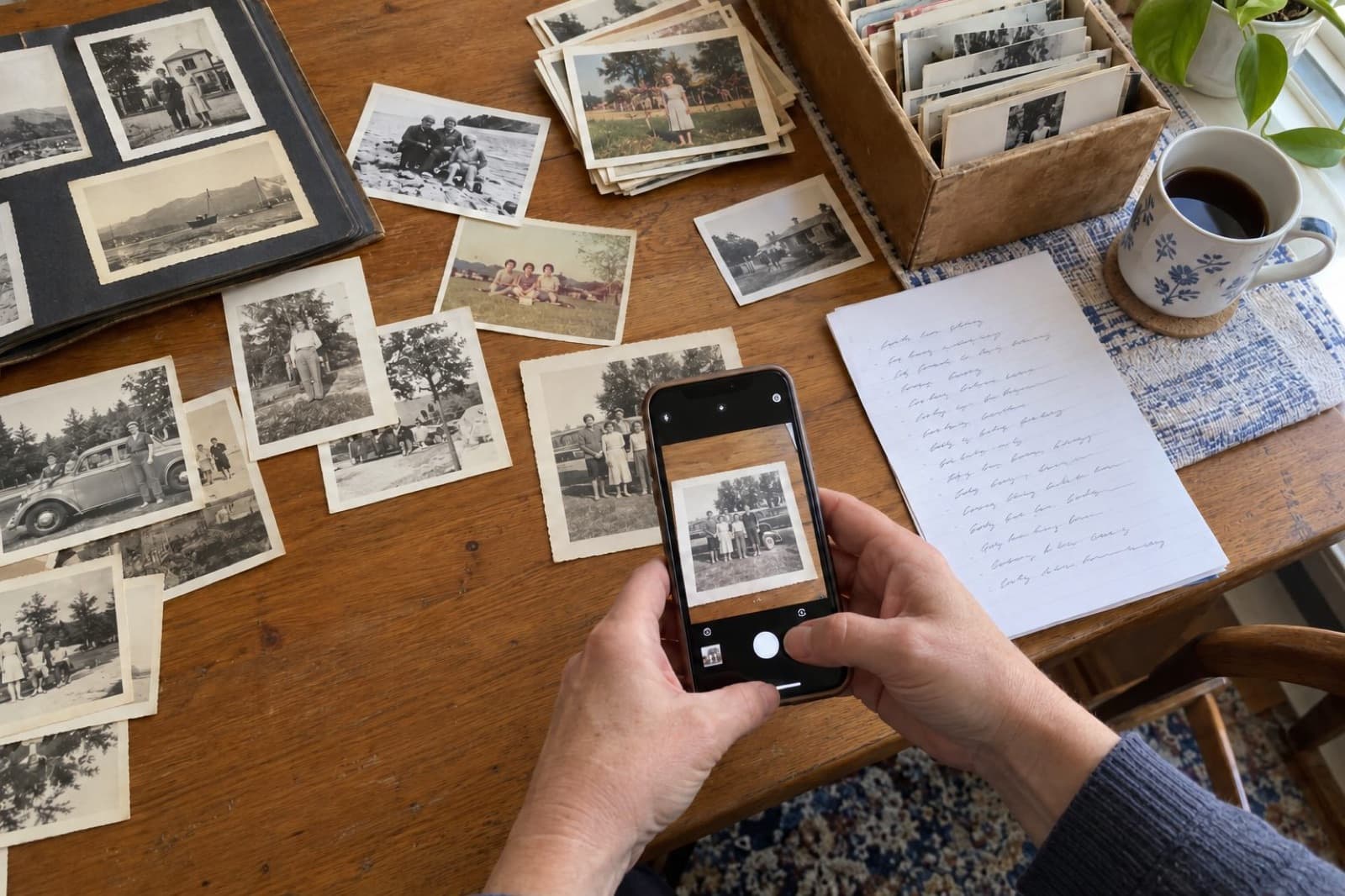
We begin with some background: where you have lived, important people, photographs you might like to include and anything the family is particularly curious about.
You can also tell us if there are subjects you would prefer to leave alone. You do not need to explain why.
The preparation gives us a starting point. It does not mean you need to write your life story before we meet. A few details and photographs can help us ask more useful questions when we speak.
If a family member is organising the portrait, we still want you to understand the process and feel comfortable with it yourself. Their enthusiasm does not create an obligation to take part.
A video call, or the phone if that is easier
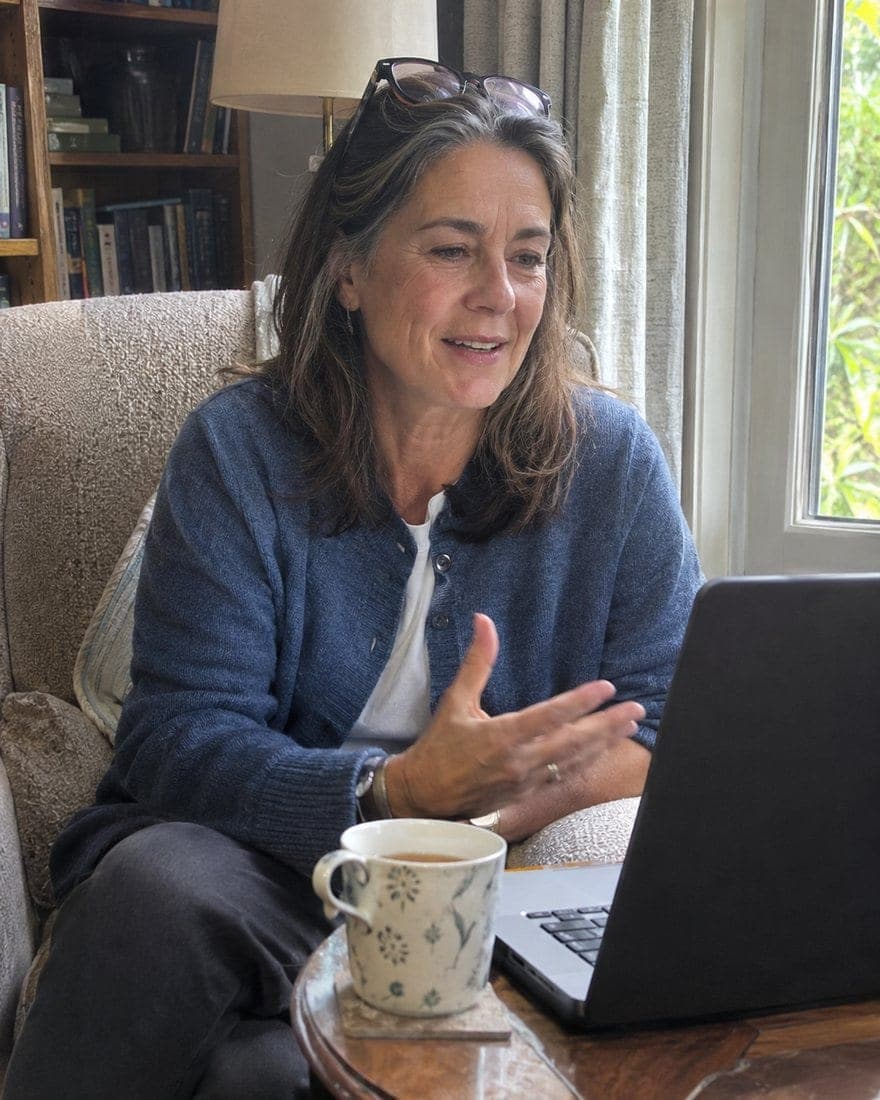
Remarkable Lives conversations take place on a video call on Zoom, or by phone if that is easier. We discuss which arrangement feels comfortable and check that you can hear clearly.
Video makes it easier to show an object or look at a photograph together. A phone conversation may feel more familiar. The important thing is that the arrangement lets you concentrate on what you want to say.
Choose somewhere comfortable where interruptions are unlikely. Keep a glass of water nearby. You do not need to dress for an occasion or make your home look a particular way.
We explain the recording arrangements before beginning. Agreeing to a private portrait is separate from agreeing to appear in public marketing.
The first questions give you somewhere to start
There is no need to open with a summary of everything that has happened to you.
We might ask about the first home you remember, someone you spent time with as a child or what an ordinary day looked like in a particular job.
A question about a place can lead to the people who lived there. A question about work might bring back the person who taught you what to do. We follow the details that seem worth exploring with you.
For example, “What do you remember about your first day?” may be easier to answer than “Tell me everything about your career.”
These are examples of starting points. Your conversations are shaped around your life and what you want to discuss.
You do not need to have had an unusual life
You might feel that there is little to say because the places and routines are familiar to you.
They may be less familiar to your children or grandchildren. How you travelled to school, what happened at home on a Sunday or how you met a friend can help them understand a world they did not see.
That does not mean every detail must become important. You can spend time on what interests you and leave other things brief.
There is no requirement to turn an experience into a lesson or to find a dramatic event for each part of your life.
The interviewer follows your answer
We prepare questions, then listen to what you actually say.
If you mention someone the family may not know, we might ask who they were. If you describe a decision, we might ask what choices seemed available at the time.
You do not need to keep a perfect order. A memory from school may remind you of something that happened much later. We can return to the earlier part afterwards.
Pauses are welcome. You may want a moment to remember a name or picture a place. You can also say that you would like to move on.
What if a date or name is uncertain?
You can say so.
A memory might be tied to “the winter after we moved” rather than a particular year. A photograph or family document may help later. Until then, uncertainty should stay visible.
We distinguish your recollections from any separately researched context. A historical note about a town or period should not silently become something you are made to remember or say.
If relatives recall an event differently, the portrait should not force a neat agreement that nobody actually reached. We can discuss the difference during review and decide how to handle it.
What if something feels too personal?
You can decline a question, ask for a pause or tell us you do not want something included.
Sometimes people realise only after speaking that a detail feels more private than they expected. That is one reason the review matters.
You do not need to provide an answer because the family suggested the question. The portrait is about your life, and you should understand what will be shared.
If you are worried about a particular topic before we begin, mention that in advance so we can approach the conversation appropriately.
How much preparation is useful?
A small selection of photographs, a rough list of places or a few names can be enough to start.
You might choose:
- a photograph you enjoy looking at;
- an object you have kept for a long time;
- the names of people you would like included;
- a period of your life you are particularly interested in talking about;
- a subject you would prefer not to discuss.
You do not need to memorise dates or rehearse answers. If you like having a few prompts ahead of time, say so. If that makes the conversation feel like homework, we can begin with a simple question instead.
How many conversations are there?
The Remarkable Lives process is built around four conversations of about 45 minutes, followed by a review call.
This gives us several opportunities to return to a thread without expecting you to tell everything at once. We agree the schedule with you. If you need a pause during a conversation, say so.
It is useful to leave a little time afterwards rather than arranging another demanding appointment immediately. You may remember a name or detail later; make a note so we can return to it.
We confirm the practical arrangements before you decide to take part.
What can the family contribute?
Family members can send photographs, background and questions through the private preparation space.
A question from a grandchild might be something nobody else would think to ask. An older photograph from a sibling might help identify a place.
Their contributions help us prepare, but they do not oblige you to discuss something you would rather keep private. It also helps to have one main family contact for practical arrangements.
If you would like someone familiar nearby for the first conversation, discuss that with us beforehand. We can agree an arrangement that leaves you comfortable and able to speak for yourself.
What happens afterwards?
We bring the conversations and selected photographs together into a portrait, with short recordings you have approved and relevant context where it helps.
You have an opportunity to read the preview and talk it through. This is the time to point out an incorrect name, explain that a sentence does not sound like you or ask for something to be removed.
The aim is an account that remains recognisably yours. Editing should make it easier to follow without changing what you mean.
The portrait is shared after your approval. A family commission does not automatically give permission for extracts to appear on a website, social post or video.
Starting with a short introduction
If you are considering a portrait for yourself or a parent, you can begin with a short conversation about the process.
You might want to ask who will lead the conversations, what the finished portrait includes, how review works and what the likely timing would be. We explain the agreed scope and fee before you decide.
You can also start with your own family conversation. Choose one photograph or a place you are curious about and ask a question. Whether you do it yourselves or would like help making a portrait, the person telling the story should feel comfortable with the idea.
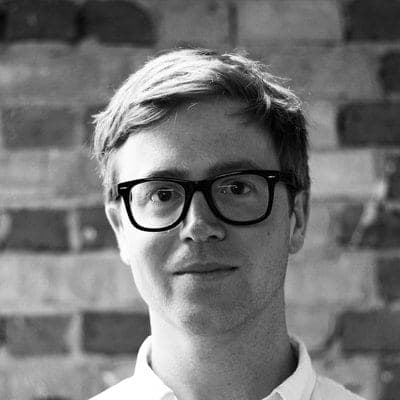
Alastair is an experienced researcher and interviewer, and leads every Remarkable Lives conversation himself. He lives in Gothenburg.